Research Rabbit and Connected Papers both excel in enhancing literature review processes but cater to different user needs. Research Rabbit is renowned for its robust organization and AI-driven recommendations, whereas Connected Papers stands out for its visual mapping of research papers. User sentiment highlights occasional data integration issues for Research Rabbit, while Connected Papers has faced server reliability challenges due to its popularity spike.
Best for
Connected Papers is the better choice when visualizing research connections is crucial, ideal for teams seeking to understand and explore interdisciplinary research fields.
Best for
Research Rabbit is the better choice when the focus is on comprehensive research organization and real-time updates, suitable for academic teams looking to streamline literature management.
Key Differences
Verdict
Choose Research Rabbit if your team needs a robust tool for managing and organizing research papers with integrated updates and collaboration options. Opt for Connected Papers if visual exploration and interdisciplinary connection are your priorities, especially with the need for graphical representation of research evolution. Both tools have unique strengths depending on the specific research requirements.
Connected Papers
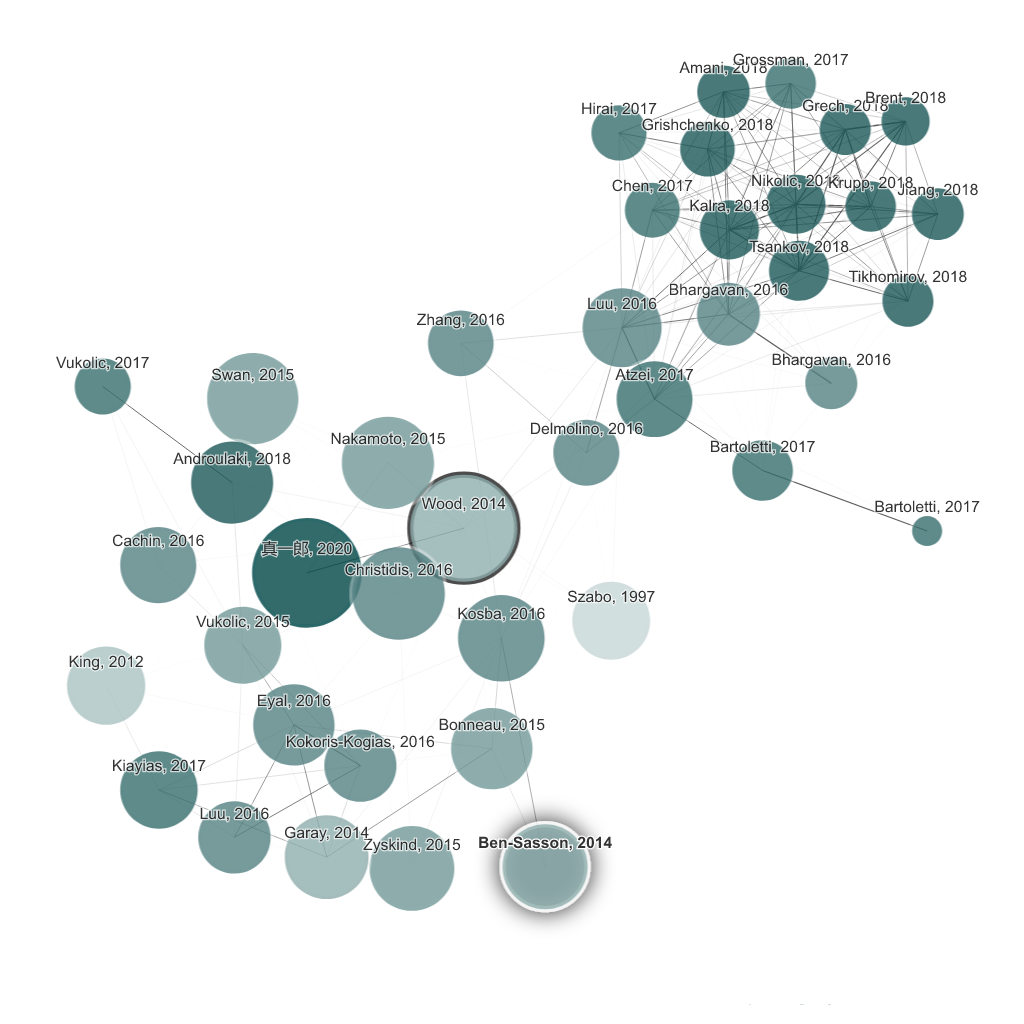
A unique, visual tool to help researchers and applied scientists find and explore papers relevant to their field of work.
Connected Papers is highly praised for its unique visual approach to discovering and exploring academic literature, which is beneficial for researchers and scientists. Users appreciate features like mobile support, integration with arXiv, downloads in .bib format, multi-origin graphs, and links to code implementations, which enhance research efficiency. Some users reported server performance issues during spikes in user visits, reflecting a need for infrastructure scaling. The overall sentiment around pricing is not explicitly mentioned, suggesting it may not be a significant concern compared to the tool's functionality and growing reputation in the academic community.
Research Rabbit
Accelerate your literature reviews with ResearchRabbit – explore, organize, visualize, and stay up-to-date.
Research Rabbit is generally recognized for its AI capabilities and is often mentioned in the context of innovative and efficient tool integration. Users appreciate its potential for enhancing research processes and streamlining workflow. However, specific complaints or detailed insights on its user experience or pricing are sparse in the available social mentions and reviews. Overall, Research Rabbit maintains a positive reputation among users for its cutting-edge AI-driven efficiencies.
Connected Papers
+100% vs last weekResearch Rabbit
-50% vs last weekConnected Papers
Research Rabbit
Connected Papers
Research Rabbit
Connected Papers
Research Rabbit
Connected Papers (6)
Research Rabbit (10)
Shared (1)
Only in Connected Papers (7)
Only in Research Rabbit (14)
Shared (7)
Only in Connected Papers (8)
Only in Research Rabbit (13)
Connected Papers
Research Rabbit
Connected Papers
Research Rabbit
Connected Papers
Research Rabbit
No screenshots
Connected Papers
Research Rabbit
Connected Papers
After a long beta, we are launching! Connected Papers is a unique, visual tool to help researchers and applied scientists find and explore papers relevant to their field of work. https://t.co/KgAbUxmz
After a long beta, we are launching! Connected Papers is a unique, visual tool to help researchers and applied scientists find and explore papers relevant to their field of work. https://t.co/KgAbUxmzU0
Research Rabbit
Opus 4.7 Low Vs Medium Vs High Vs Xhigh Vs Max: the Reasoning Curve on 29 Real Tasks from an Open Source Repo
# TL;DR I ran Opus 4.7 in Claude Code at all reasoning effort settings (low, medium, high, xhigh, and max) on the same 29 tasks from an open source repo (GraphQL-go-tools, in Go). **On this slice, Opus 4.7 did not behave like a model where more reasoning effort had a linear correlation with more i
Research Rabbit excels at organizing literature with its organizational tools and integration with citation management software.
Pricing details for both tools are not explicitly mentioned, suggesting user satisfaction with the cost or the potential free nature of the tools.
Both tools have active community discussions, but Research Rabbit has been noted for more robust customer support evident in discussions on integration and workflow.
Yes, both tools can complement each other by combining Research Rabbit’s organizational capabilities with Connected Papers' visual exploration functions.
Research Rabbit's user-friendly interface may offer a gentler learning curve, while Connected Papers might take time to master its graph-based visualizations.


