Discover, create, and share music with the world. Use the latest technology to create AI music in seconds.
Udio has a positive reputation for offering a cost-effective alternative to expensive software subscriptions, as highlighted in a TikTok mention advocating free replacements for costly tools. Despite the lack of detailed reviews here, the tool's visibility in recommendations for budget-conscious users suggests that its main strength lies in affordability. Pricing sentiment appears to be favorable, with no direct complaints observed. Overall, Udio seems to hold a strong reputation as a budget-friendly and efficient solution within the software community.
Mentions (30d)
0
Reviews
0
Platforms
7
Sentiment
48%
12 positive
Udio has a positive reputation for offering a cost-effective alternative to expensive software subscriptions, as highlighted in a TikTok mention advocating free replacements for costly tools. Despite the lack of detailed reviews here, the tool's visibility in recommendations for budget-conscious users suggests that its main strength lies in affordability. Pricing sentiment appears to be favorable, with no direct complaints observed. Overall, Udio seems to hold a strong reputation as a budget-friendly and efficient solution within the software community.
Features
Use Cases
Industry
information technology & services
Employees
28
Funding Stage
Seed
Total Funding
$10.0M
AI tools replacing $10,000/year in software subscriptions. Here's your free alternative for every paid tool you're using right now. 1. LM Studio or Ollama... run open-source models locally. No more pa
AI tools replacing $10,000/year in software subscriptions. Here's your free alternative for every paid tool you're using right now. 1. LM Studio or Ollama... run open-source models locally. No more paying for ChatGPT. 2. NotebookLM... free research and content creation from Google. 3. Voiceinc... pay once, get voice dictation forever. No monthly fees. 4. n8n self-hosted... I replaced a $1,300/month AI support agent in 2 hours. 5. Free vibe coding tools... sign up while they're still in free public preview. 6. Alibaba's video model, FramePack, LTX... free video generation if you've got a GPU. Stop paying for software when AI gives you a free version. What paid tool are you replacing first? How do you run AI models locally for free? What's the best free alternative to ChatGPT? #ai #aitools #makemoneyonline #sidehustle #productivityhacks
View originalCohere's open-weight ASR model hits 5.4% word error rate — low enough to replace speech APIs in production pipelines
Enterprises building voice-enabled workflows have had limited options for production-grade transcription: closed APIs with data residency risks, or open models that trade accuracy for deployability. Cohere's new open-weight ASR model, Transcribe, is built to compete on all four key differentiators — contextual accuracy, latency, control and cost. Cohere says that Transcribe outperforms current leaders on accuracy — and unlike closed APIs, it can run on an organization's own infrastructure. Cohere, which can be accessed via an API or in Cohere’s Model Vault as cohere-transcribe-03-2026, has 2 billion parameters and is licensed under Apache-2.0. The company said Transcribe has an average word error rate (WER) of just 5.42%, so it makes fewer mistakes than similar models. It’s trained on 14 languages: English, French, German, Italian, Spanish, Greek, Dutch, Polish, Portuguese, Chinese, Japanese, Korean, Vietnamese and Arabic. The company did not specify which Chinese dialect the model was trained on. Cohere said it trained the model “with a deliberate focus on minimizing WER, while keeping production readiness top-of-mind.” According to Cohere, the result is a model that enterprises can plug directly into voice-powered automations, transcription pipelines, and audio search workflows. Self-hosted transcription for production pipelines Until recently, enterprise transcription has been a trade-off — closed APIs offered accuracy but locked in data; open models offered control but lagged on performance. Unlike Whisper, which launched as a research model under MIT license, Transcribe is available for commercial use from release and can run on an organization's own local GPU infrastructure. Early users flagged the commercial-ready open-weight approach as meaningful for enterprise deployments. Organizations can bring Transcribe to their own local instances, since Cohere said the model has a more manageable inference footprint for local GPUs. The company said they were able to
View originalAudio tapes reveal mass rule-breaking in Milgram's obedience experiments
View originalVibe-coding in Google AI Studio: my tips to prompt better and create amazing apps
You might already know Google AI Studio as a sandbox to play with the Deepmind models and tinker with...
View originalThe accessibility gap: Why good intentions aren’t enough for digital compliance
Presented by AudioEye While most organizations recognize the importance of accessibility from a theoretical angle, a stark gap exists between that awareness and actual execution. Companies can't just give a nod to accessibility -- and it can't just be a nice-to-have. The chasm between knowing and doing is not only exposing businesses to significant legal risk, it's also costing them actual business and growth opportunities. According to AudioEye’s newly released 2026 Accessibility Advantage Report, 59% of business leaders say their organization would face legal risk due to accessibility failure if audited today, and more than half have already encountered accessibility-related lawsuits or threats. That’s unsurprising, because today the average web page still contains 297 accessibility issues, based on an analysis of over 15,000 websites in AudioEye’s 2025 Digital Accessibility Index. The report, which surveyed more than 400 business leaders across the C-suite, VPs, and directors, reveals that organizations understand accessibility matters, but most lack the systems, expertise, and operational infrastructure to deliver it consistently, says Chad Sollis, CMO at AudioEye. “What the data makes clear is that accessibility hasn’t stalled because people don’t care,” Sollis says. “It’s stalled because fragmented ownership and reactive workflows make it hard to sustain as digital experiences evolve. Leaders know accessibility matters, but their organizations aren’t set up to deliver it consistently.” Why digital accessibility delivers a measurable business advantage With regulations like the European Accessibility Act now in effect and enforcement intensifying globally, the benefits extend far beyond avoiding lawsuits. Over half of leaders now cite accessibility as a business growth opportunity, recognizing that accessible digital experiences drive better user outcomes across the board. “Organizations that treat accessibility purely as a compliance exercise miss the opportun
View originalchore(pricing): Update vertex-ai pricing
## 🔄 Pricing Update: vertex-ai ### 📊 Summary (complete_diff mode) | Change Type | Count | |-------------|-------| | ➕ Models added | 70 | | 🔄 Models updated (merged) | 24 | ### ➕ New Models - `gemini-2.5-computer-use-preview-10-2025` - `gemini-2.5-flash-preview-09-2025` - `gemini-2.5-flash-lite-preview-09-2025` - `gemini-3.1-flash-lite-preview` - `imagen-3.0-generate-002` - `imagen-3.0-capability-002` - `imagen-product-recontext-preview-06-30` - `text-embedding-large-exp-03-07` - `multimodalembedding` - `gpt-oss` - `gpt-oss-120b-maas` - `whisper-large` - `mistral` - `mixtral` - `mistral-small-2503` - `codestral-2501-self-deploy` - `mistral-ocr-2505` - `mistral-medium-3` - `codestral-2` - `ministral-3` - ... and 50 more ### 🔄 Updated Models - `gemini-2.5-pro` - `gemini-2.5-flash` - `gemini-2.5-flash-lite` - `gemini-2.5-flash-image` - `gemini-2.5-flash-image-preview` - `gemini-3.1-pro-preview` - `gemini-3-pro-preview` - `gemini-3-pro-image-preview` - `imagen-4.0-generate-001` - `imagen-4.0-fast-generate-001` - `imagen-4.0-ultra-generate-001` - `imagen-4.0-generate-preview-06-06` - `imagen-4.0-fast-generate-preview-06-06` - `imagen-4.0-ultra-generate-preview-06-06` - `imagen-3.0-capability-001` - `veo-3.0-generate-001` - `veo-3.0-fast-generate-001` - `veo-3.0-generate-preview` - `veo-3.0-fast-generate-preview` - `veo-3.1-generate-001` - `veo-3.1-generate-preview` - `veo-3.1-fast-generate-preview` - `text-embedding-005` - `text-multilingual-embedding-002` ## Model-to-Pricing-Page Mapping | Model ID | Publisher / Section | Source | Notes | |----------|-------------------|--------|-------| | `gemini-2.5-pro` | Google – Gemini 2.5 | API | $1.25/$10 input/output (≤200K); cache read $0.125 | | `gemini-2.5-flash` | Google – Gemini 2.5 | API | $0.30/$2.50; cache $0.03; image_token $30/1M | | `gemini-2.5-flash-lite` | Google – Gemini 2.5 | API | $0.10/$0.40; cache $0.01 | | `gemini-2.5-flash-image` | Google – Gemini 2.5 | API | Same as gemini-2.5-flash with image output | | `gemini-2.5-flash-image-preview` | Google – Gemini 2.5 | API | Same as gemini-2.5-flash (preview alias) | | `gemini-2.5-computer-use-preview-10-2025` | Google – Gemini 2.5 | API | Matched as "Gemini 2.5 Pro Computer Use-Preview"; $1.25/$10, no cache | | `gemini-2.5-flash-preview-09-2025` | Google – Gemini 2.5 | API | Preview alias of gemini-2.5-flash; same pricing | | `gemini-2.5-flash-lite-preview-09-2025` | Google – Gemini 2.5 | API | Preview alias of gemini-2.5-flash-lite; same pricing | | `gemini-2.0-flash-001` | Google – Gemini 2.0 | API | $0.15/$0.60; batch $0.075/$0.30 | | `gemini-2.0-flash-lite-001` | Google – Gemini 2.0 | API | $0.075/$0.30; batch $0.0375/$0.15 | | `gemini-3.1-pro-preview` | Google – Gemini 3 | API | $2/$12; cache $0.2; web_search 1.4¢ | | `gemini-3-pro-preview` | Google – Gemini 3 | API | $2/$12; cache $0.2; web_search 1.4¢ | | `gemini-3-pro-image-preview` | Google – Gemini 3 | API | $2/$12; image_token $120/1M; web_search 1.4¢ | | `gemini-3.1-flash-image-preview` | Google – Gemini 3 | API | $0.50/$3; image_token $60/1M; web_search 1.4¢ | | `gemini-3.1-flash-lite-preview` | Google – Gemini 3 | API | $0.25/$1.50; cache $0.025; web_search 1.4¢ | | `gemini-3-flash-preview` | Google – Gemini 3 | API | $0.50/$3; cache $0.05; web_search 1.4¢ | | `imagen-4.0-generate-001` | Google – Imagen | API | Row matched via lookup_variant `imagen-4.0-generate`; $0.04/image | | `imagen-4.0-fast-generate-001` | Google – Imagen | API | Row matched via `imagen-4.0-fast-generate`; $0.02/image | | `imagen-4.0-ultra-generate-001` | Google – Imagen | API | Row matched via `imagen-4.0-ultra-generate`; $0.06/image | | `imagen-4.0-generate-preview-06-06` | Google – Imagen | API | Preview; matched as Imagen 4; $0.04/image | | `imagen-4.0-fast-generate-preview-06-06` | Google – Imagen | API | Preview; matched as Imagen 4 Fast; $0.02/image | | `imagen-4.0-ultra-generate-preview-06-06` | Google – Imagen | API | Preview; matched as Imagen 4 Ultra; $0.06/image | | `imagen-3.0-generate-002` | Google – Imagen | API | Row matched via `imagen-3.0-generate`; $0.04/image | | `imagen-3.0-capability-001` | Google – Imagen | API – price not found | Editing/VQA feature model; no pricing row | | `imagen-3.0-capability-002` | Google – Imagen | API – price not found | Editing/VQA feature model; no pricing row | | `imagen-product-recontext-preview-06-30` | Google – Imagen | API | "Imagen Product Recontext"; $0.12/image | | `veo-2.0-generate-001` | Google – Veo | API | Row matched via `veo-2.0-generate`; $0.50/sec | | `veo-3.0-generate-001` | Google – Veo | API | Row matched as Veo 3 (video+audio rate); $0.40/sec | | `veo-3.0-fast-generate-001` | Google – Veo | API | Row matched as Veo 3 Fast; $0.15/sec | | `veo-3.0-generate-preview` | Google – Veo | API | Preview alias of Veo 3; $0.40/sec | | `veo-3.0-fast-generate-preview` | Google – Veo | API | Preview alias of Veo 3 Fast; $0.15/sec | | `veo-3.1-generate-001` | Google – Veo | API | Row matched as Veo 3.1; $0
View original[Future] Pre-generate and cache common sentences via S3 + CloudFront
## Purpose For frequently used or pre-defined learning content, pre-generate audio files and serve them via CDN for instant playback. ## Background - Some sentences in `words.json` are static learning content - These can be pre-generated once and cached permanently - CDN delivery is faster and cheaper than Lambda invocation ## Task 1. Create a batch script to generate audio for all sentences in words.json 2. Upload generated WAV files to S3 3. Configure CloudFront distribution for low-latency delivery 4. Update iOS app to check CDN first, fall back to Lambda API ## Implementation Notes - S3 bucket: `voicevox-audio-cache-{env}` - File naming: `{hash(text + speakerID)}.wav` - CloudFront: edge caching with long TTL - iOS fallback: CDN → Lambda API → error handling ## Cost Estimate - S3 storage: ~$0.02/GB/month - CloudFront: ~$0.085/GB transferred - Total: minimal for typical usage (<$5/month) ## Acceptance Criteria - [ ] Pre-generated audio available for seed vocabulary - [ ] iOS app fetches from CDN with Lambda fallback - [ ] New sentences generated by OpenAI fall back to Lambda correctly ## Priority Low - consider after user-generated content patterns are understood.
View originalDid Netflix Ruin Movies?
*Subscribe here: [Apple Podcasts](https://podcasts.apple.com/us/podcast/galaxy-brain/id1378618386) | [Spotify](https://open.spotify.com/show/542WHgdiDTJhEjn1Py4J7n) | [YouTube](https://youtu.be/A4922CILwM4)* Few companies have reshaped American culture as aggressively as Netflix. This week’s *Galaxy Brain* charts how we got here. Charlie Warzel talks with *Atlantic* film critic David Sims about Netflix’s strange, sweeping arc: from red DVD envelopes to a streaming colossus with 325 million subscribers. Sims explains how Hollywood initially shrugged off streaming as a novelty, only to watch Netflix reshape both distribution and the aesthetics and economics of entertainment itself. Together, they discuss the rise of binge culture, data-driven green-lighting, and the tension between prestige projects and “second screen” slop built for distracted viewers. The conversation also examines Netflix’s stance toward theaters, its aborted bid for Warner Bros. Discovery, and the deeper question haunting the industry: Has Netflix simply exploited technological inevitabilities—or has it rewired our expectations of what movies and television are supposed to be? *The following is a transcript of the episode:* > **David Sims:** When Hulu and HBO and all the other streamers start to crop up later in the game, it’s kind of like: You have Netflix, and then maybe you try another one. But you’re not gonna let go of Netflix. Netflix had just already won the war. **[*Music*]** **Charlie Warzel:** I’m Charlie Warzel, and this is *Galaxy Brain*, a show where today we’re going to talk about red DVD envelopes, the streaming wars, and the company that upended Hollywood. Awards season will wrap up soon this month with the Oscars, which means it’s a good time to talk about Hollywood. And you can’t talk about Hollywood without talking about Netflix. It’s difficult to imagine a company that’s had a greater impact on the entertainment industry over the last two decades. Since its founding in the late ’90s, Netflix has continued to do one thing over and over again: use technology and the internet to exploit convenience and wind its way into our lives. First it was a website that allowed you to pick your favorite DVDs to be shipped to you in the mail. Then it launched into streaming, original programming, a full movie studio. Now Netflix hosts live TV, award shows, sporting events—and is even a home for podcasts. The company has more than 325 million subscribers. Netflix’s story follows the classic tech-company arc. The platform didn’t just disrupt how people watched movies and TV; it changed the culture and the fabric of entertainment altogether. Netflix has influenced the way that many movies look, feel, and sound— even how they’re conceived of and green-lit. The company has had its hand in creating everything: from auto-play, second-screen-binge mode-algo-slop to prestige award-bait projects. All of Hollywood’s hopes and anxieties—the decline of theatergoing, the data-driven writers’ rooms, you name it—Netflix sits at the center of all of it. It’s a weird moment for the company. Back in December, Netflix made an offer to buy Warner Bros. Discovery in a deal worth approximately $82.7 billion. The purchase would have made Netflix arguably the world’s most powerful entertainment company. But Paramount Skydance, headed by David Ellison and backed in part by his father, the centibillionaire [co-]founder of Oracle, Larry Ellison fought the deal. Paramount Skydance submitted a revised offer to buy Warner at $111 billion. Netflix backed out of the deal last week. Some industry observers argued that Netflix dodged a bullet—or at least a lot of debt and regulatory headaches—by backing out. But now Netflix is at something of a crossroads. And that’s why I’ve called on my colleague [David Sims](https://www.theatlantic.com/author/david-sims/). David is a staff writer at *The Atlantic,* where he is our film critic and writes about the culture of entertainment. He’s also the host of the excellent podcast *Blank Check*. I wanted to talk to David about Netflix’s historical arc—how it became such a juggernaut and what it has done to transform Hollywood and all the ways that we consume entertainment. By all accounts, it feels like Netflix has won. Is that a good thing, a bad thing, or just inevitable? David joins me now to hash it out. **[*Music*]** **Warzel:** David Sims, welcome to *Galaxy Brain*. **David Sims:** Hi, Charlie; thanks for having me. **Warzel:** We’re approaching the terminus of award season and the Oscars. We also just had a lot of news around Netflix, Warner Bros., Paramount. Media consolidation. Growth hellscape/landscape, etc. So I wanted to have a conversation about Netflix, broadly—Netflix’s impact on Hollywood, on the industry, on all of us. And our eyeballs and our fragile little primate brains. So I thought it would be great to just start off very, very quickly: What is your first memory of Netflix? Your first Netflix
View originalAh yikes, World of Warcraft: Midnight's otherwise solid housing system is soured by its premium currency, which makes you 'minimize leftovers' even though Blizzard said it wouldn't
I want to say something at the top of this—I still think [World of Warcraft: Midnight's](https://www.pcgamer.com/world-of-warcraft-midnight/) player housing system is very, very good. That's not just to soften the blow of the microtransaction analysis I'm about to hammer Blizzard with, if player housing sucked I'd say that. But the bones are really solid. You've got enough creative control to [create Star Destroyers](https://www.pcgamer.com/games/world-of-warcraft/i-can-tell-world-of-warcrafts-player-housing-is-going-well-by-the-amount-of-star-wars-stuff-this-one-player-keeps-building/), you can clip things to your heart's content, and there's a generous amount of decor already in the game. However, with the expansion's release comes [Hearthsteel](https://www.pcgamer.com/games/world-of-warcraft/blizzards-reason-for-adding-premium-currency-to-world-of-warcraft-after-21-years-of-doing-just-fine-without-one-has-everyone-worried-about-player-housing/), a new premium currency (hurk) that lets you buy store-exclusive decor elements. In practice this isn't that big of a deal, since if you don't have an item, chances are you can rotate and clip five different pieces into each other to achieve a similar effect. But in practice it's also kinda skeevy. I've got the store open right now, and Blizzard's doing that really goddamn annoying "you can only buy this premium currency in staggered amounts" bullcrap, which is especially frustrating because it said it *wouldn't.* Here's a [blog post](https://worldofwarcraft.blizzard.com/en-us/news/24242736) from November of last year where the studio wrote that one of its guiding principles for Hearthsteel would be the following: "The costs of items are designed to align with Hearthsteel offer amounts in a player-friendly way. Buying Hearthsteel at the amount you want lets you purchase the items you want without requiring you to think about which packs should be added together to minimize leftovers." You do, in fact, have to minimise leftovers. Hearthsteel is available in the following increments: 100 ($1/£0.90)500 ($5/£4.50)1,000 ($10/£9)2,500 ($25/£22.50)5,000 ($50/£45)10,000 ($100/£90)  (Image credit: Blizzard) While a lot of the decor packs—priced at 2,500 Hearthsteel—are priced along these lines, the individual items are lab-designed to be super goddamn annoying. Alliance/Horde doormats are 200 Hearthsteel and the Spring Blossom Chair and Spring Blossom Tree are 250, slap bang in the middle of 100 and 500. The Spring Blossom Gazebo is 800 Hearthsteel, 200 shy of the 1,000 Hearthsteel purchase. There are some items that aren't like this, in fairness, like the plushies and Lush Garden Fungal Fountain—but on the whole? You are in fact having to spend more than you'd otherwise want to if you wanna snag some of these items individually. Which blows. Then there's the pricing itself. Purchasing these items with Hearthsteel only adds one copy to your chest, rather than say, unlocking them for purchase from a vendor somewhere. Which means you're paying $5/£4.50 for, say, two trees. They're very *pretty* trees, with animated spring blossom particle effects, but it does feel stingy for a game that already asks you to pay a subscription (or grind that out with gold via WoW tokens in-game). And this is a discounted price. After some *passionate* player feedback, Blizzard reduced the [price of a single blossom tree](https://www.wowhead.com/news/spring-blossom-housing-decor-pack-removed-from-battle-net-and-in-game-store-380656) from 750 Hearthsteel (cripes!) to the aforementioned 250. You could, theoretically, get enough in-game gold to convert to battle.net balance via the WoW token. At the time of writing on my server, a WoW token costs about 346,000 gold, which would convert to $15/£10, or 1,000 Hearthsteel. That's, er, 86,500 gold per tree. Which is affordable for the [frog-farming capitalists](https://www.pcgamer.com/games/world-of-warcraft/world-of-warcraft-players-are-once-again-slaying-hundreds-of-frogs-this-time-to-skin-their-hides-before-blizzard-catches-them/) of the world, but not yours truly.  [**Best MMOs**](https://www.pcgamer.com/the-best-mmos/): Most massive[**Best strategy games**](https://www.pcgamer.com/the-best-strategy-games/): Number crunching[**Best open world games**](https://www.pcgamer.com/best-open-world-games/): Unlimited exploration[**Best survival games**](https://www.pcgamer.com/the-best-survival-games-on-pc/): Live craft love[**Best horror games**](https://www.pcgamer.com/best-horror-games/): Fight or flight --- *From [PCGamer latest](https://www.pcgamer.com/) via [this RSS feed](https://www.pcgamer.com/rss/)*
View originalObsbot Tiny 3 Lite review
The [Tiny 3](https://www.pcgamer.com/hardware/webcams/obsbot-tiny-3-review) straddles the boundary between the worlds of corporate video conferencing and streaming/content creation. Yet I’m not convinced it fully serves either.How useful are swish AI webcam tricks beyond just distracting your manager at your next meeting? Meanwhile, if you’re dropping $300+ for a webcam with the intent of using it for content creation, it starts to make sense to instead consider a mid to entry-level action cam, or even save up for a DSLR. Or—and hear me out—you could opt for the Tiny 3 Lite instead. Don’t get me wrong: a $199 webcam still isn’t a low cost pick, but it feels like the Tiny 3 Lite delivers the most essential elements of the original Tiny 3 at a fraction of the cost. Side by side, the Tiny 3 Lite looks very similar to its pricier sibling, though you’ll notice it’s just a tad chunkier and doesn’t have a removable mount. Though, once mounted, the original Tiny 3 is actually ever so slightly taller and heavier than the Lite. It’s not a difference in size worth making a fuss about, but it is a difference nonetheless. You also don’t get a carry case with the Lite like you do with the original. But at around 2.28-inches tall and 2.57 oz/73 grams, you shouldn’t have too much difficulty packing the Tiny 3 Lite if you plan to travel with it. It’s just that foregoing the premium Tiny 3 means you have to source your own case. Tiny 3 Lite specs 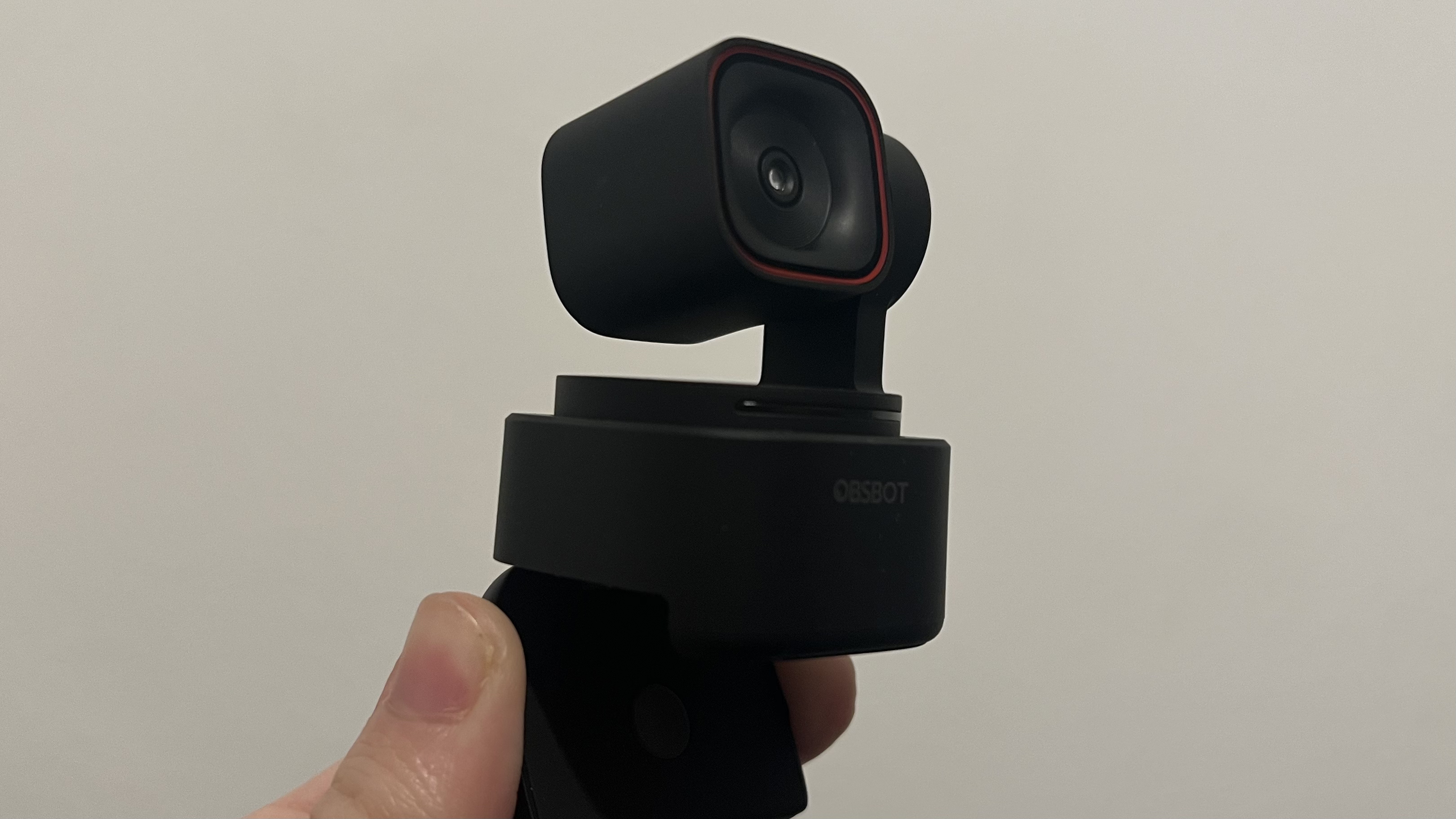 (Image credit: Future) **Resolution:** 4K at 30 fps, 1080p at 120 fps **Diagonal field of view:** 79.1° (4:3), 72° (16:9) **Sensor:** 1/2-inch CMOS sensor**Connection:** USB Type-C **Microphone:** Integrated omnidirectional mic array**Dimensions:** 41 mm x 41 mm x 58 mm**Weight:** 73 g **Price:** [$199](https://www.amazon.com/OBSBOT-AI-Powered-Spatial-Audio-Webcam/dp/B0G63LXK6R)/[£199](https://www.scan.co.uk/products/obsbot-tiny-3-lite-ai-ptz-webcam-4k-48mp-1-2-cmos-sensor-usb-type-c-spatial-omni-directional-audio) The Tiny 3 Lite is capable of filming or streaming 4K (30 fps) and 1080p (120 fps), and its 1/2-inch CMOS sensor doesn’t seem massively dissimilar to the 1/1.28-inch sensor of the Tiny 3, but there is a discernible difference in how each webcam processes light. The picture on the Tiny 3 Lite still looks great, and is a definite upgrade from the previous generation of Tiny webcams, but it appears softer than that of the Tiny 3, and fine details are liable to be ever so slightly smudged. Fair warning, too: things start to fall off the deep end when filming in low-light. Because of Lite’s smaller sensor, you are going to be plagued by a good bit more noise in darker environments than you would be with the Tiny 3. Of course, if your usual streaming/recording/conferencing set-up is dark and moody, this could be a major sticking point. However, if you avoid using screens in the dark (your eyesight will thank you), you could find the Tiny 3 Lite that perfectly trims the fat of the Tiny 3 without sacrificing too much of the core performance.  (Image credit: Future) It’s entirely a personal preference, but I found the unprocessed picture of the Tiny 3 Lite to generally be more pleasing to the eye than the Tiny 3. The latter leans quite cold and crisp, and tends to lose the energy of a space (as woo-woo as that might sound). The audio from the Tiny 3’s omnidirectional mics is miles away from the hollow, tinny sound you might expect from a webcam’s integrated microphone. However, I’d still recommend investing in an external microphone if you want something that sounds especially professional. **Listen to the microphone test below:** Unfortunately, its five audio modes don’t differ too massively from each other, and so you’re not offered too many truly unique ways to deal with background noise or multiple audio sources. Despite that, the Tiny 3 Lite should have you fully covered for standard video calls. 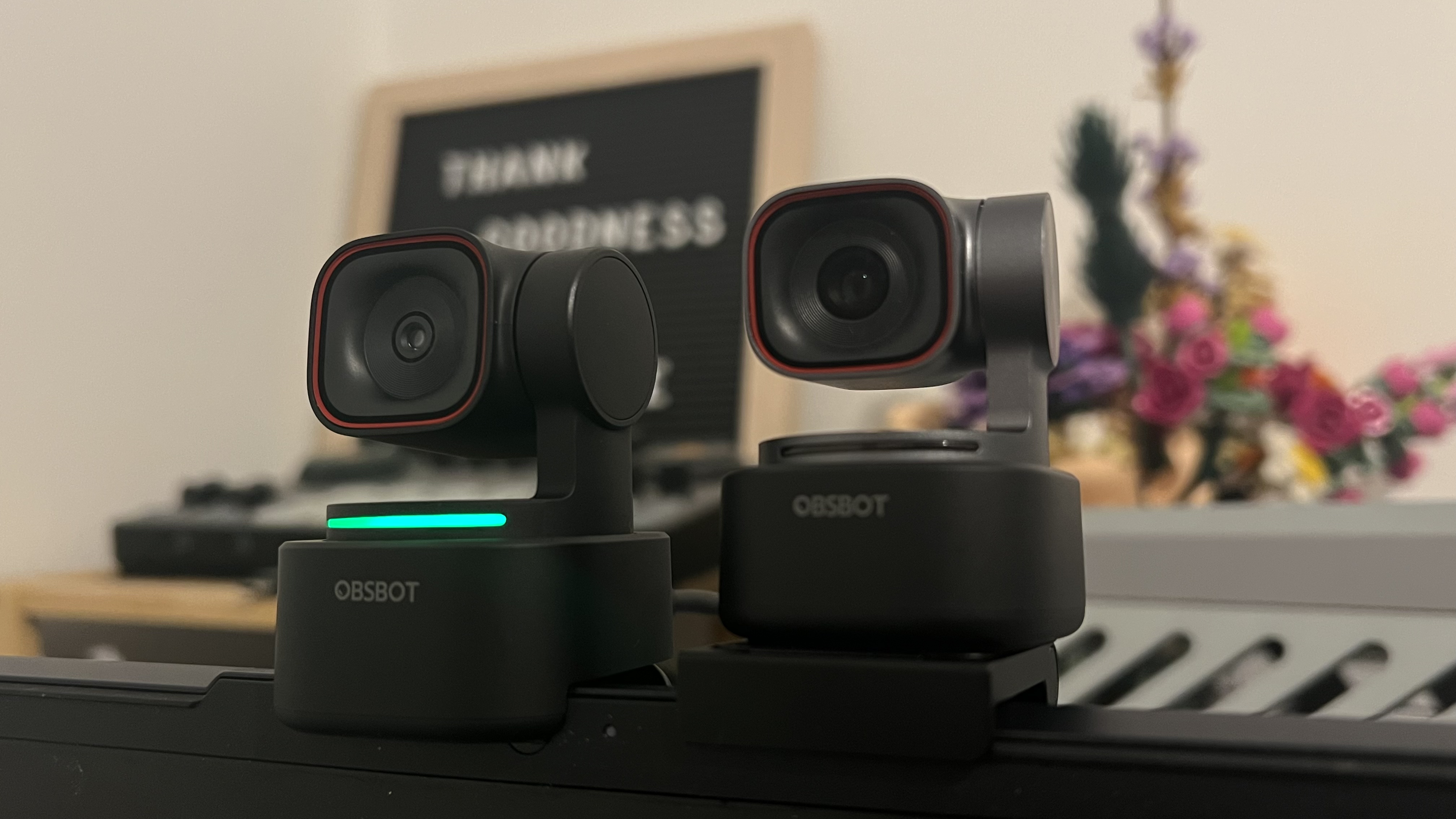 Tiny 3 (R) next to the Tiny 3 Lite (L). (Image credit: Future) The Tiny 3 Lite’s gimbal and AI Tracking 2.0 remain headline features. From tracking people to objects, the Lite was just as reliable and snappy as the flagship model. It features almost all the same tracking options too, including close-up, upper body, lower body, and headless (less ominous than it sounds, I promise). Buy if... **✅ The Tiny 3 is out of your budget:** If you’re a fan of the Tiny 3’s features but your wallet isn’t, the Tiny 3 Lite is a worthwhile compromise that concedes relatively little. **✅ You want a dash of PTZ flair:** The Tiny 3 lite is a 4K webcam with advanced tracking features that can spice up your streams or video calls. Don't buy if... **❌ You frequently reco
View originalSean O’Brien sold workers and unions out to Trump—these Teamsters are running to oust him.
As general president of the union, Sean O’Brien has operated with a “Teamsters vs. Everybody” mentality, especially when it comes to dealing with President Donald Trump and embracing the MAGA right. But now, 14 months into the second Trump administration, the labor movement and the entire working class—Teamsters members included—is under attack. In this episode of *Working People*, we speak with veteran Teamsters Richard Hooker Jr. and John Palmer, who are running to oust O’Brien from leadership in the upcoming union election. **Guests:** * Richard Hooker Jr. has dedicated 26 years to the Teamsters, spending 20 of those years at UPS and the last six in leadership roles. He is the Secretary-Treasurer and Principal Officer of Teamsters Local 623 in Philadelphia, and he is now running on the Fearless Slate to unseat Sean O’Brien as a candidate for general president of the International Brotherhood of Teamsters. * John Palmer has 38 years of experience in the Teamsters and is currently serving as a vice president at large of the International Brotherhood of Teamsters. He is running on the Fearless Slate as a candidate to be the union’s general secretary-treasurer. **Additional links/info:** * Teamsters Fearless Slate [website](https://be-fearless.org/meet-the-fearless-team) * Hank Kennedy, *Current Affairs*, “[Sean O’Brien sold labor to Trump, and got nothing](https://www.currentaffairs.org/news/sean-obrien-sold-labor-to-trump-and-got-nothing)” * Michael Sainato, *The Guardian*, “[Labor activist takes on Teamsters leader allying with Trump: ‘He doesn’t represent the workers’](https://www.theguardian.com/us-news/2025/nov/01/teamsters-union-leadership-trump)” * Joe Allen, *CounterPunch*, “[Why are the Teamsters endorsing Greg Abbott?](https://www.counterpunch.org/2026/02/17/why-are-the-teamsters-endorsing-greg-abbott/)” * Peter Eavis, *The New York Times*, “[UPS says it is cutting up to 30,000 jobs](https://www.nytimes.com/2026/01/27/business/ups-jobs-layoffs-2026.html)” * Maximillian Alvarez, TRNN, “[Everybody hates Sean](https://therealnews.com/everybody-hates-sean)” * Maximillian Alvarez, TRNN, “[We asked 8 different Teamsters what they thought of Sean O’Brien’s speech—their responses may surprise you](https://therealnews.com/we-asked-8-different-teamsters-what-they-thought-of-sean-obriens-speech-their-responses-may-surprise-you)” **Featured Music:** * Jules Taylor, *Working People* Theme Song **Credits:** * Audio Post-Production: Jules Taylor Transcript *The following is a rushed transcript and may contain errors. A proofread version will be made available as soon as possible.* Maximillian Alvarez: Alright. Welcome everyone to Working People, a podcast about the lives, jobs, dreams, and struggles of the working class today. Working People is a proud member of the Labor Radio Podcast Network and is brought to you in partnership with In These Times Magazine and the Real News Network. This show is produced by Jules Taylor and made possible by the support of listeners like you. My name is Maximillian Alvarez, and we’ve got a doozy of an episode for y’all today. As always, we really appreciate, and in fact, we depend on our listeners reaching out to us with topics and stories that you guys want us to dig into. And one of the questions that you have overwhelmingly told us that you want to see addressed on the show is the question that we are dedicating today’s episode too. Now that we are one year into the second Trump administration, what the hell is going on with the teamsters and the union’s general president, Sean O’Brien? Now, by way of introducing today’s episode, I’m going to read at length from a really thought provoking article by Hank Kennedy, which was just published in Current Affairs Magazine, and we’re going to link to this in the show notes. But Kennedy writes, “Elected as a union militant with the support of longstanding reform organization, Teamsters for a Democratic Union or TDU, Sean O’Brien has spent the last two years shepherding the lambs of the American working class straight to the slaughter via his endorsements and promotions of some of the most reactionary anti-labor politicians in the land. I was complicit in this. Back in 2021, I was a teamster working in logistics. I both voted and campaigned for O’Brien, giving money and time to his campaign. 2024 erased whatever residual affection I’d had for O’Brien. That year, he not only spoke of Donald Trump as a man, “Proven to be one tough SOB at the Republican National Convention.” He promoted as 100% on point a transphobic article by Senator Josh Hawley, this compact article on “the promise of pro- labor conservatism, a sailed corporate America for “using their profits to push diversity, equity, and inclusion, and the religion of the trans flag.” There’s been a phenomenon within the union’s leadership of working towards Trump. Whatever Trump says, the union leadership leaps to support, often without looking. When Trump called for
View original“How Am I Going to Sell My House With This Crap in My Backyard?”
In the wintertime, when Elizabeth Jacobus steps out onto her front porch for a smoke break, she can see the hulking warehouse through a barren thicket of trees. At night, the 470,000-square-foot facility gleams under the watch of industrial floodlights. “You should come back when it’s dark,” she told me. “It looks like the sun is rising over there.” Jacobus wasn’t thrilled when the warehouse was built a few hundred feet away from her home in suburban Roxbury Township, New Jersey. But ever since construction wrapped in 2022, the facility has remained vacant. Investors could have written off the Roxbury project—a product of the early 2020s online shopping boom, which drove a glut of new logistics warehouses across the country—as a casualty of the post-pandemic economy. But then the Department of Homeland Security came to town. > As DHS expands its footprint, it’s making its cruelty manifest in suburban areas like Roxbury—towns that might have once felt insulated from the brutality and chaos that immigration agents have unleashed in US cities. In February, DHS purchased the Roxbury warehouse for $129.3 million—more than double its assessed value. As part of President Donald Trump’s effort to deport [millions of](https://www.motherjones.com/politics/2024/01/trump-2024-immigration-policy-mass-deportations-stephen-miller/) people, DHS is buying up enormous [warehouses](https://www.bloomberg.com/news/features/2026-01-29/us-spends-hundreds-of-millions-on-warehouses-for-ice-detention-centers) across the country to turn them into immigration jails. The “ICE Detention Reengineering Initiative,” as one government [memo](https://www.governor.nh.gov/sites/g/files/ehbemt971/files/inline-documents/merrimack-detention-reengineering-initiative.pdf) dubs it, will spend $38.3 billion of taxpayer money—allocated through last year’s One Big Beautiful Bill Act—to acquire and retrofit eight “large-scale detention centers” and 16 “processing sites.” If all goes according to federal government plans, the Roxbury site will be up and running with 1,500 beds by November 30. That’s a big if. Since the warehouse plans were revealed by the *[Washington Post](https://www.washingtonpost.com/business/2025/12/24/ice-immigrants-detention-warehouses-deportation-trump/)* in late December, they’ve encountered a relentless stream of bipartisan pushback: from Roxbury residents, members of Congress, the all-Republican town council, and Democratic Gov. Mikie Sherrill. Similar [local opposition](https://www.nytimes.com/2026/02/18/us/politics/ice-warehouses-trump-voters.html) has already scuttled warehouse sales in [roughly a dozen](https://lookerstudio.google.com/reporting/b0228ccb-6fcf-4ab6-9d9b-41dd53292ec6/page/p_uy4yssvm0d) other cities. The fight in Roxbury highlights one unexpected consequence of Trump’s supercharged immigration machine. As DHS expands its footprint through the warehouse initiative, it’s making its cruelty manifest in suburban areas like Roxbury—towns that might have once felt insulated from the brutality and chaos that immigration agents have unleashed in major US cities. In the process, DHS is running up against the might of a classic suburban rallying cry: Not In My Backyard. “I think people think that it won’t happen to them because they’re so far separated from it,” said Faith Jacobus, Elizabeth’s 24-year-old daughter. “But it was separated until it wasn’t.” On Saturday morning, I arrived at Roxbury Town Hall to find the No ICE North Jersey Alliance (Project NINJA) and the Sussex Visibility Brigade setting up for the day’s protest. Safety volunteers in neon vests arranged traffic cones, shoveled snow off sidewalks, and munched on doughnuts from a plastic container. A folding table was set up with a first-aid station and sign-out sheets for a “costume library”—a rack of the inflatable frog and unicorn mascots that have become ubiquitous at No Kings Day protests. Pretty soon, protesters from across New Jersey were arriving in droves. They lined up along Route 46 and waved signs that read “Warehouses Are Not Human Storage,” “Stop Evil Shit,” and “Gulags Are Bad! Jesus Is Good.” A boombox played tenderhearted classics like the Beatles’ “Let it Be.” The crowd cheered as an endless stream of passing cars honked their horns in support.  A protester holds up a sign at the Rally to End ICE Camps in Roxbury Township, New Jersey, on Saturday.Project NINJA “Most of our pickleball group is here,” said Marion Atwater, a 73-year-old in a navy visor and puffer jacket. “We did not bring our paddles, but we are here with our signs.” She added that she and her husband, Donald Smith, 76, were “young whippersnappers” compared to the rest of their group. “I have bad legs so I can’t stand—that’s why I’m sitting,” Smith said. He held a poster board that read, “No concentration camps in America.” He told m
View originalAI tools replacing $10,000/year in software subscriptions. Here's your free alternative for every paid tool you're using right now. 1. LM Studio or Ollama... run open-source models locally. No more pa
AI tools replacing $10,000/year in software subscriptions. Here's your free alternative for every paid tool you're using right now. 1. LM Studio or Ollama... run open-source models locally. No more paying for ChatGPT. 2. NotebookLM... free research and content creation from Google. 3. Voiceinc... pay once, get voice dictation forever. No monthly fees. 4. n8n self-hosted... I replaced a $1,300/month AI support agent in 2 hours. 5. Free vibe coding tools... sign up while they're still in free public preview. 6. Alibaba's video model, FramePack, LTX... free video generation if you've got a GPU. Stop paying for software when AI gives you a free version. What paid tool are you replacing first? How do you run AI models locally for free? What's the best free alternative to ChatGPT? #ai #aitools #makemoneyonline #sidehustle #productivityhacks
View originalArtificial Analysis Intelligence Index and cost benchmarks are useful decision/guidance determinants for which models to use. Analysis for top models.
# AI Intelligence and Benchmarking Cost (Feb 2026) As per the **Artificial Analysis Intelligence Index v4.0** (February 2026), the scoring ceiling is set by **Claude Opus 4.6 (max) at 53**. ## Adjusted Score Formula The "Adjusted Score" follows a quadratic penalty formula: ``` Adjusted Score = 53 × (1 - (53 - Intel Score)² / 53²) ``` This creates a steeper penalty for performance gaps compared to a linear scale. ## Model Comparison Table | Lab | Model | Intel Score | Adjusted Score | Benchmark Cost | Intel Ratio (Score/Cost) | Adj. Ratio (Adj/Cost) | |-----------|-------|-------------|----------------|----------------|--------------------------|----------------------| | Anthropic | Claude Opus 4.6 (max) | 53 | 53 | $2,486.45 | 0.021 | 0.021 | | OpenAI | GPT-5.2 (xhigh) | 51 | 49 | $2,304.00* | 0.022 | 0.021 | | Zhipu AI | GLM-5 (Reasoning) | 50 | 47 | $384.00* | 0.130 | 0.122 | | Google | Gemini 3 Pro | 48 | 43 | $1,179.00* | 0.041 | 0.036 | | MiniMax | MiniMax-M2.5 | 42 | 31 | $124.58 | 0.337 | 0.249 | | DeepSeek | DeepSeek V3.2 (Reasoning) | 42 | 31 | $70.64 | 0.595 | 0.439 | | xAI | Grok 4 (Reasoning) | 41 | 29 | $1,568.34 | 0.026 | 0.018 | *\*Benchmark costs for proprietary models are based on Artificial Analysis evaluation token counts (typically 12M–88M depending on verbosity) multiplied by current API rates.* ## Key Insights 1. **High token reasoning models**: Grok 4 and Claude Opus 4.6 use a high number of tokens during reasoning, up to **88M tokens**. This results in low Intel-to-Cost ratios despite high scores. 2. **DeepSeek V3.2 is the most efficient**: It provides an adjusted intelligence ratio that is roughly **20 times better** than the proprietary frontier. 3. **Cost efficiency comparison**: MiniMax-M2.5 and DeepSeek V3.2 share a score of 42. DeepSeek is almost **twice as cost-effective** due to lower API pricing and higher token efficiency. ## Visual Summary ``` Intel Score vs Cost Efficiency (Adjusted Ratio) ───────────────────────────────────────────────── DeepSeek V3.2 ████████████████████████████ 0.439 MiniMax-M2.5 ███████████████ 0.249 GLM-5 ███████ 0.122 Gemini 3 Pro ██ 0.036 Claude Opus 4.6 █ 0.021 GPT-5.2 █ 0.021 Grok 4 █ 0.018 ``` --- *Source: Artificial Analysis Intelligence Index v4.0, February 2026* google AI mode made analysis, GLM 5 formatted and added cute graph. this combines the intelligence score and cost to run the intelligence benchmark from https://artificialanalysis.ai/?endpoints=openai_gpt-5-2-codex%2Cazure_kimi-k2-thinking%2Camazon-bedrock_qwen3-coder-480b-a35b-instruct%2Camazon-bedrock_qwen3-coder-30b-a3b-instruct%2Ctogetherai_minimax-m2-5_fp4%2Ctogetherai_glm-5_fp4%2Ctogetherai_qwen3-next-80b-a3b-reasoning%2Cgoogle_gemini-3-pro_ai-studio%2Cgoogle_glm-4-7%2Cmoonshot-ai_kimi-k2-thinking_turbo%2Cnovita_glm-5_fp8 look at intelligence vs cost graph for further insight. You can add much smaller models for comparison to LLMs you might run locally. The adjusted intelligence/cost metric is a useful heuristic for "how much would you pay extra to get top score". Choosing non-open models requires a much higher penalty than 2x the difference/comparison to highest score. Quantized versions don't seem to score lower. This site provides good base info to make your own model of "score deficit", model size, tps as a combined score relative to tokens/cost to get a benchmark score. I was originally researching how grok 4.2 approach would inflate costs vs performance, but it is not yet benchmarked.
View originalHyperX FlipCast gaming microphone review
I'm old enough to remember when plug-and-play USB microphones were rubbish. Your alternative, however, was the murky, audio nerd-inhabited world of XLR, which required the use of a separate interface to connect a microphone to your PC. XLR is still the gold standard for professional recording gear, but the world of studio-style recording can be fraught with fiddly details. HyperX has decided that its latest microphone, the HyperX FlipCast, might as well have both connections at once. On the rear of the mic is both a USB Type-C and an XLR port, so it's suitable for both plug-and-play usage *and* most recording interfaces. Take your pick. Not only that, but the XLR connection doesn't require 48 V phantom power, and can work in tandem with the USB version. That means any interface with an XLR socket should work if you so desire, or you can simply plug it in the back of your rig, or both—which makes for a pretty excellent start in the compatibility stakes. The microphone itself is a large, dynamic unit, with a podcast-style form factor. It's got a sizeable foam filter, and comes attached to a substantial curved stand, suitable for attaching to a boom arm (both ⅜-inch & ⅝-inch threads are supported). What you don't get, however, is an included desktop stand—which is unfortunately pretty standard for this sort of microphone. HyperX FlipCast specs 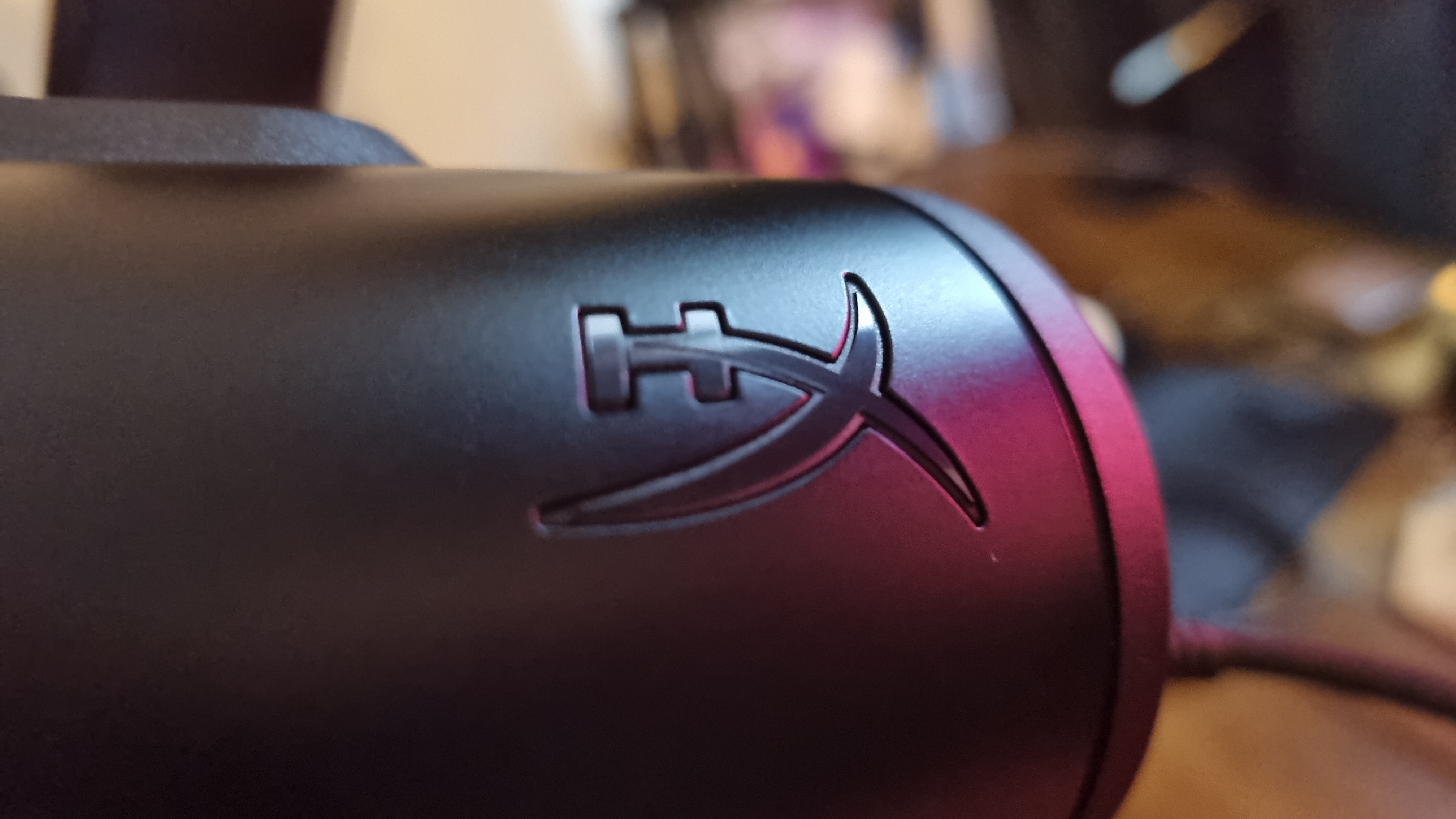 (Image credit: Future) **Type:** Dynamic**Polar patterns:** Cardioid**Connectivity:** USB Type-C (Type-A adapter included), XLR**Recording sample rate:** Up to 32-bit/192 kHz**Frequency response:** 20 - 20,000 Hz**Features:** Built-in high-pass and presence boost switches, capacitive mute button, RGB lighting, gain indicator, software noise cancelling, compressor, and limiter**Price:** [$261](https://hyperx.com/products/hyperx-flipcast-streaming-xlr-usb-dynamic-microphone?loc=US)/[£195](https://uk.hyperx.com/products/hyperx-flipcast-streaming-xlr-usb-dynamic-microphone) In fact, you'll also miss out on an included desktop stand if you opt for our [best microphone pick for podcasting](https://www.pcgamer.com/best-microphone-gaming-streaming/#section-the-best-podcast-microphone), the [Shure MV7+](https://www.pcgamer.com/hardware/microphones/shure-mv7-plus-podcast-microphone-review/). It's pretty much my favourite microphone right now, because it captures professional-grade audio over both XLR and USB interfaces, and comes with some very easy-to-use software. It's a fair bit more expensive than the FlipCast at the time of writing, though, with the HyperX unit coming in at [$261](https://hyperx.com/products/hyperx-flipcast-streaming-xlr-usb-dynamic-microphone?loc=US) to the Shure's [$300](https://www.shure.com/en-US/products/microphones/mv7?variant=MV7%252B-K). Still, the HyperX better be impressive if it wants to take the Shure's spot, even if it does manage to beat it on MSRP. It's quite a good-looking mic in person, despite the product photos on the HyperX website making the large, shiny protrusion on the top look a little cheap. Here you get a large, capacitive mute button and a sizable LED display that acts as a gain indicator. Towards the rear is a volume control dial, while on the back it's got those XLR and USB Type-C connections, alongside a 3.5 mm jack for on-mic monitoring. The FlipCast also has a streamer-friendly RGB ring, which spins through its colour wheel at quite an astonishing rate. 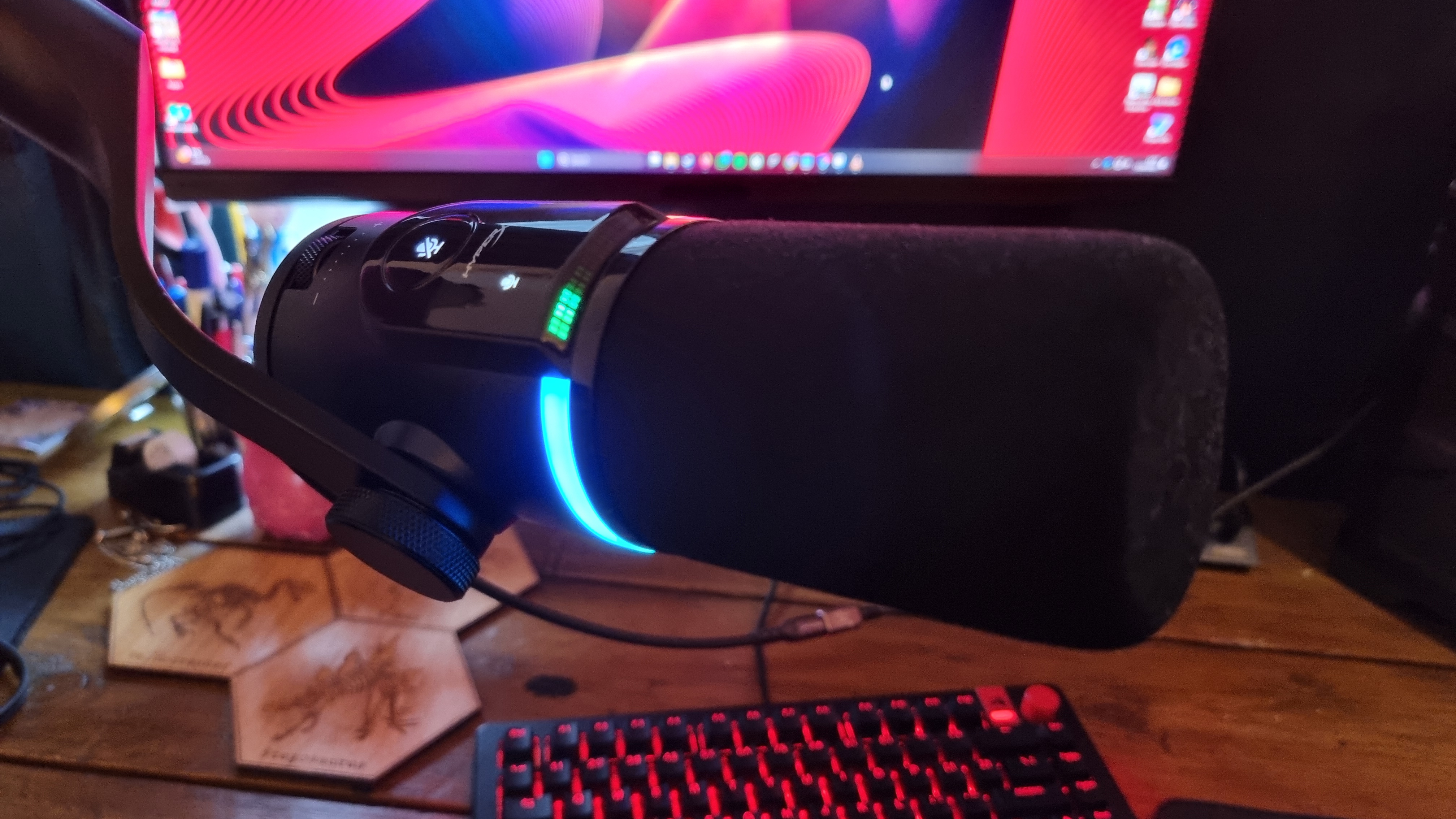 Future 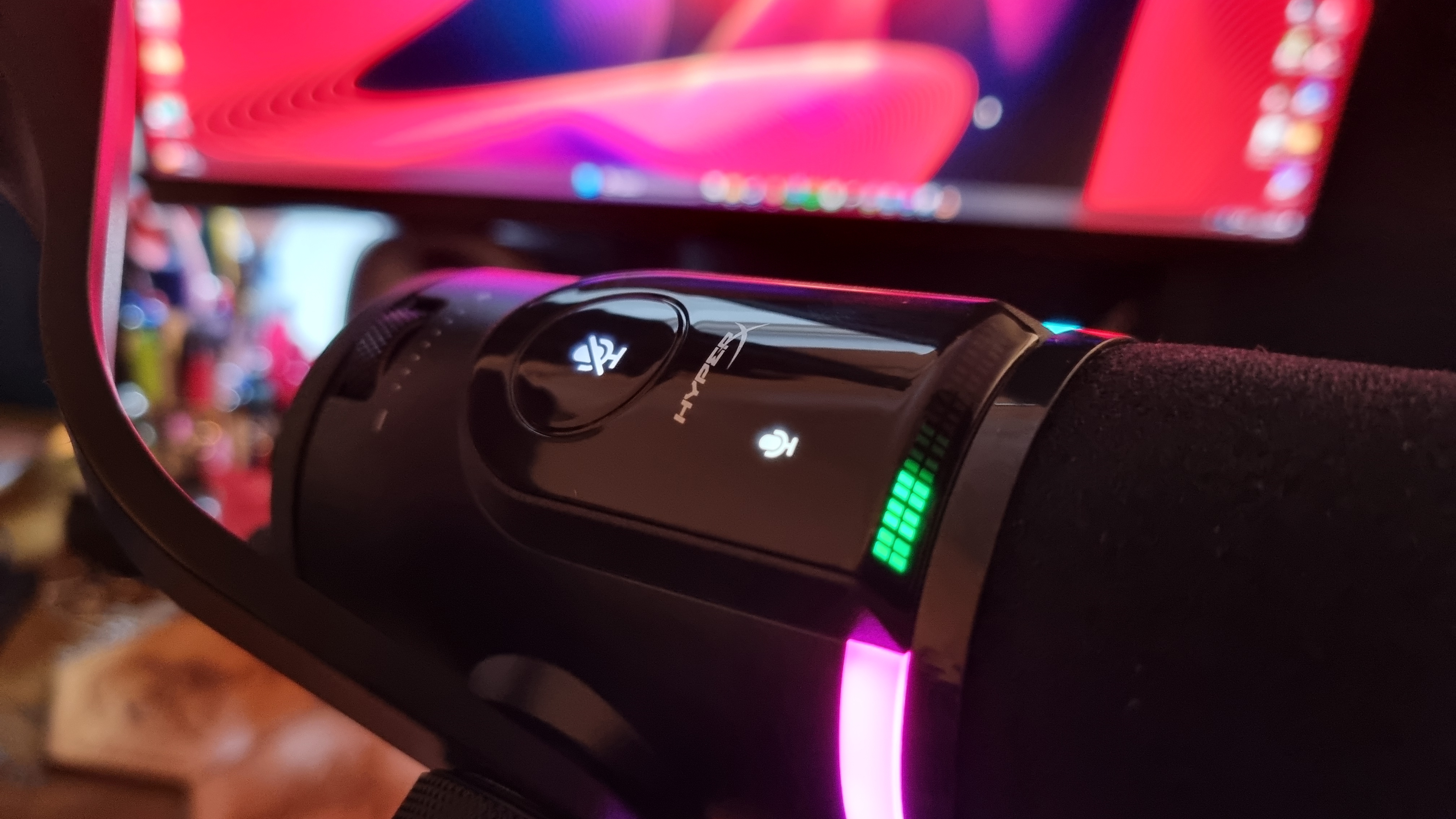 Future 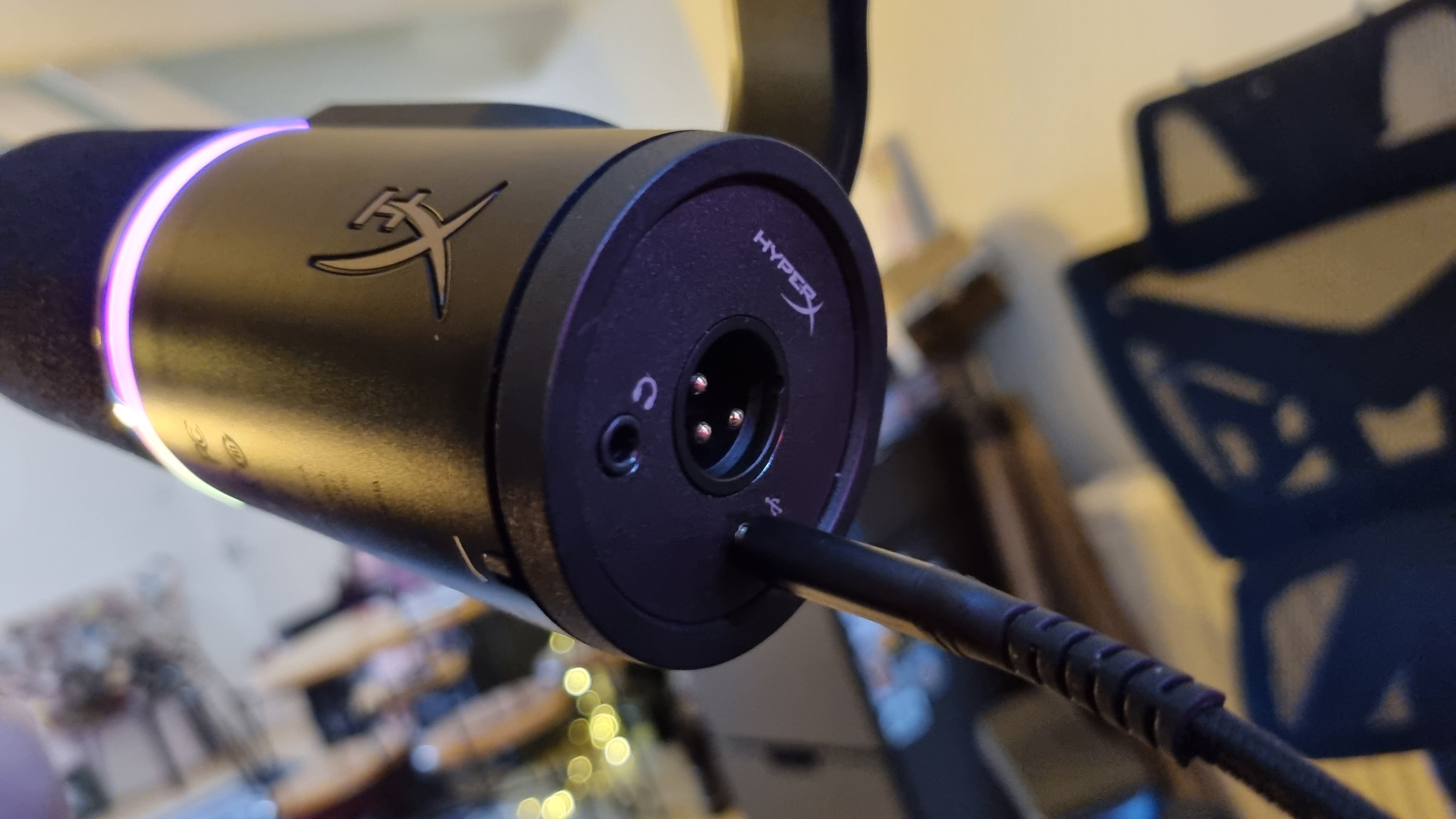 Future 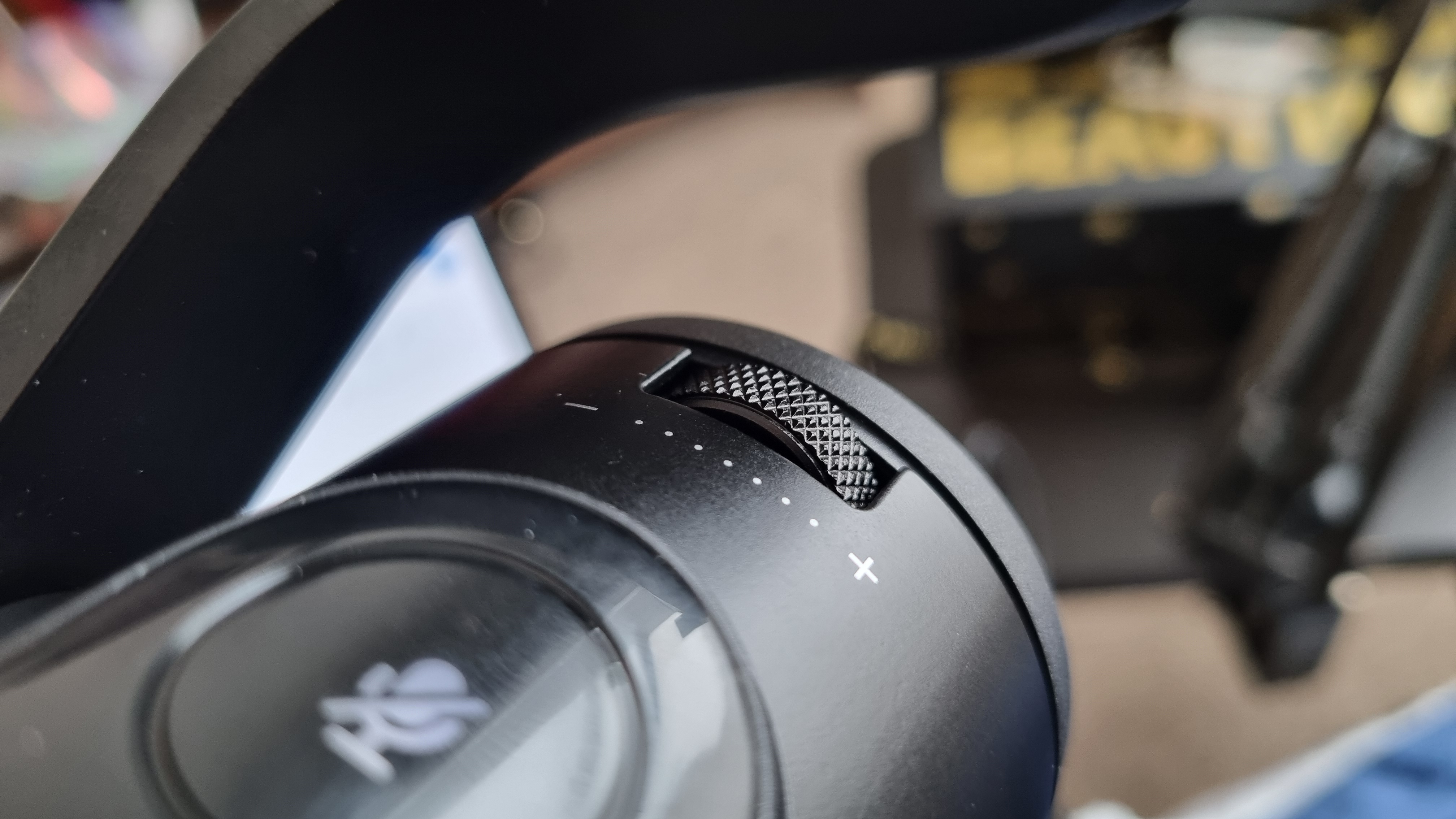 Future 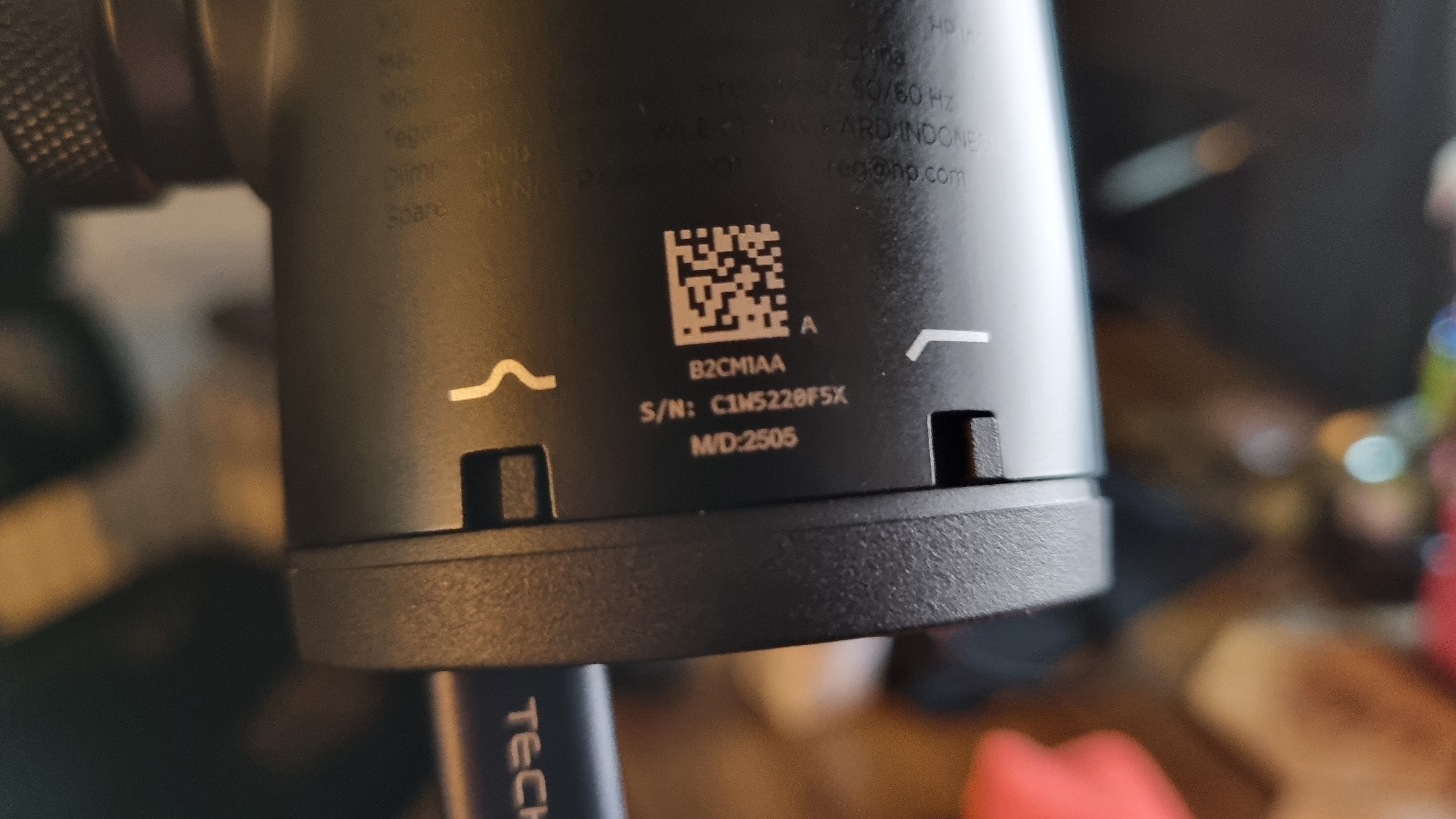 Future Yes, it can be adjusted. Anyway, an interesting extra feature is the addition of two small buttons on the rear of the mic, which control a built-in high-pass filter and presence boost function—which gives you an idea of the sound profile HyperX might be aiming for. Clear and precise is definitely the order of the day. High-pass filters reduce low-frequency noises (which sounds a bit counterintuitive, I know), while the presence switch boosts the upper-midrange and treble audio frequencies. What you should end up with, then, with both enabled, is a decent whack of clarity, sacrificing a little richness for a more f
View originalThe Chomsky-Epstein Files: Unravelling a Web of Connections Between a Star Leftist Academic & a Notorious Pedophile
By Alan MacLeod – Feb 7, 2026 6 Key findings of this investigation: * + Right up until his arrest for child sex trafficking, Chomsky was advising Epstein on crisis management, sympathizing with the “horrible way you are being treated in the press and public.” + On multiple occasions, Chomsky expressed his desire to visit Little St. James Island, site of Epstein’s infamous sex crimes. + Chomsky flew on Epstein’s “Lolita Express” jet, stayed at his mansions in Manhattan and Paris, and regularly met him for dinner and other social occasions. Chomsky quietly met with a host of other highly questionable characters, including Steve Bannon, Woody Allen, and Ehud Barak. + Chomsky considered Epstein his “best friend,” and his closest advisor, and regularly exchanged gifts with the disgraced pedophile. + Chomsky’s relationship with his children broke apart, due in part to their protests over his attempts to name Epstein’s accountant and right-hand man to the board of the family’s trust fund. + Chomsky’s relationship with his children broke apart, due in part to their protests over his attempts to name Epstein’s accountant and right-hand man to the board of the family’s trust fund. Newly released documents have shed light on the unlikely relationship between renowned leftist professor Noam Chomsky and disgraced pedophile Jeffrey Epstein. Analyzing over 3800 emails and texts involving the academic, MintPress News has uncovered a deep, years-long friendship between the two, one where they became “best friends” and each other’s closest confidants. Chomsky flew on Epstein’s notorious “Lolita Express” jet, stayed at his apartments in Manhattan and Paris, and expressed his desire, on multiple occasions, to visit Little St. James Island, the location of many of Epstein’s worst sex crimes. Years of exchanging gifts and dining together – events that frequently included other highly controversial characters, such as disgraced filmmaker Woody Allen, far-right political strategist Steve Bannon, and former Israeli prime minister, Ehud Barak, turned the pair into the closest of friends. Chomsky became a key figure in Epstein’s attempts at crisis management, sharing his thoughts about strategies to quash and counter what he called “the onslaught of venomous attacks” against him. Meanwhile, Epstein became the star political philosopher’s trusted legal and financial advisor, a fact that would lead to a near collapse in the relationship between Noam and his children. This is the story of the previously unknown relationship between the man who The New York Times [called](https://www.nytimes.com/1979/02/25/archives/the-chomsky-problem-chomsky.html) “the most important intellectual alive” and the world’s most infamous sexual predator. **Noam Chomsky: Jeffrey Epstein’s Crisis Manager** After 36 survivors – some as young as 14 – came forward, billionaire financier Jeffrey Epstein was convicted in 2008 on charges related to child sex crimes. He was, however, given only an 18-month sentence, and served only 13 months in a minimum security prison that he was allowed to leave six days per week. The U.S. attorney who struck this lenient deal [reportedly](https://www.vox.com/identities/2019/8/14/20803950/jeffrey-epstein-conspiracy-theories-clinton-trump-acosta) stated that he did so under duress, and was told to “back off,” as Epstein “belonged to intelligence.” Key to Epstein’s crimes becoming known was the testimony of his victim, Virginia Giuffre. Giuffre alleged that Epstein and his partner [Ghislaine Maxwell](https://www.mintpressnews.com/maxwell-family-epstein-mossad-cia/290379/) operated a worldwide sex trafficking operation, where women and girls were kidnapped and forced to have sex with the world’s rich and powerful. This [allegedly](https://time.com/6552063/jeffrey-epsteins-unsealed-court-documents/) included royals like Prince Andrew, politicians such as Donald Trump and Bill Clinton, and academics, like Alan Dershowitz. Epstein reportedly made his fortune by keeping copious evidence of their sex crimes and extorting his clients. Previous Epstein Files releases have strongly indicated that Epstein, like Maxwell’s [father and family](https://www.mintpressnews.com/maxwell-family-epstein-mossad-cia/290379/), worked for Israeli intelligence. The testimony from Giuffre and others sparked worldwide uproar, eventually forcing the U.S. government to act. In 2019, the FBI arrested Epstein, holding him in a high security Manhattan prison. Just weeks later, he was found dead in his cell, under highly suspicious circumstances. Epstein was aware that the walls were closing in. Months before his arrest, he sent Chomsky a number of panicked emails, desperately asking for guidance on how to squash the widespread demands for his arrest. On February 23, 2019, he [wrote](https://www.justice.gov/epstein/files/DataSet%2011/EFTA02633330.pdf): “Noam. I’d love your advice on how I handle my putrid press. Its is spiralling out of
View originalKey features include: AI-driven music composition, Real-time collaboration with other users, Customizable music templates, Export options in multiple audio formats, Integration with popular DAWs (Digital Audio Workstations), User-friendly interface for beginners, Access to a library of pre-made loops and samples, Ability to generate music based on mood or genre.
Udio is commonly used for: Creating background music for videos, Generating unique soundtracks for games, Composing original music for personal projects, Collaborating with other musicians remotely, Experimenting with different musical styles, Producing music for podcasts.
Udio integrates with: Ableton Live, Logic Pro X, FL Studio, GarageBand, Pro Tools, Cubase, SoundCloud, YouTube, Spotify, Discord.
Based on user reviews and social mentions, the most common pain points are: token cost, openai, gpt, budget.
Based on 25 social mentions analyzed, 48% of sentiment is positive, 44% neutral, and 8% negative.
Lightning AI
Company at Lightning AI
3 mentions