Qualcomm AI Hub excels in on-device AI model optimization with strong Snapdragon hardware support, while SiMa.ai focuses on scaling AI across various industrial domains with specialized silicon. Qualcomm AI Hub, boasting 968 GitHub stars, offers broad integrations, whereas SiMa.ai aligns its tiered solution and unique boards for specific sectors.
Best for
Qualcomm AI Hub is the better choice when deploying AI across a wide range of edge devices, specifically for mobile and on-device applications, leveraging large-scale teams and Snapdragon technology.
Best for
SiMa.ai is the better choice when scaling AI in industrial automation, robotics, and other specialized domains, especially for smaller, focused teams requiring dedicated MLSoC solutions.
Key Differences
Verdict
Qualcomm AI Hub is ideal for teams looking to implement versatile AI solutions across multiple on-device platforms, leveraging its comprehensive tooling and integrations. Conversely, SiMa.ai suits organizations focused on industrial AI deployment requiring custom silicon capabilities. Each platform offers tiered pricing, catering to different scales of operation and specialization.
Qualcomm AI Hub
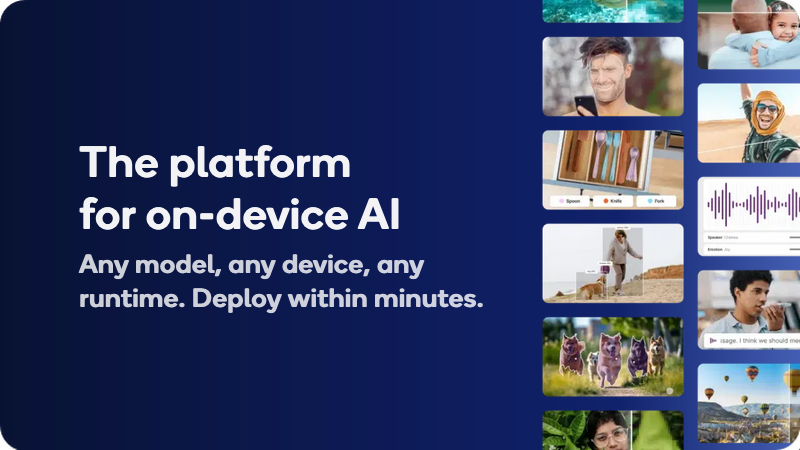
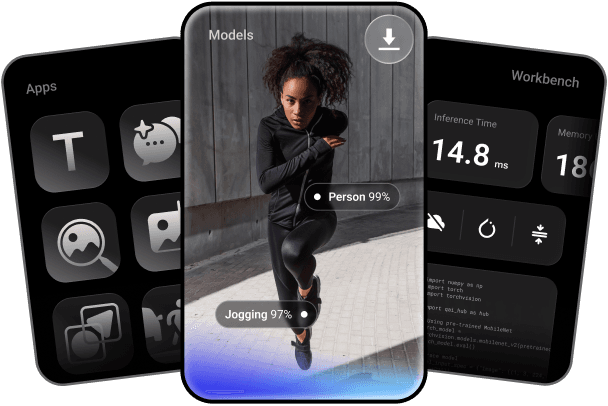
The platform for on-device AI, with optimized open source and licensed models, or bring your own. Validate performance on real Qualcomm devices.
The Qualcomm AI Hub is recognized for enabling the development and deployment of AI agents across various platforms, including Arduino and Snapdragon PCs, supported by innovative tools like OpenClaw and Hermes Agent. Users appreciate the high-performance capabilities afforded by Qualcomm's Snapdragon technology, especially in empowering devices for edge intelligence and AI applications. However, social mentions do not explicitly highlight pricing, leaving its sentiment unknown. Overall, Qualcomm enjoys a strong reputation as a leading innovator in AI, evidenced by its inclusion in TIME’s 100 Most Influential Companies and its broad partnerships enhancing AI accessibility and integration.
SiMa.ai
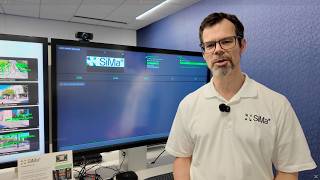
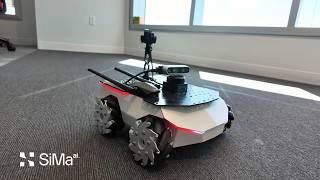
SiMa.ai scaling physical ai across across robotics, automotive, industrial automation, aerospace & defense, smart vision, and healthcare.
There is limited information on SiMa.ai from the social mentions, with repetitive references on YouTube but no detailed insights into its strengths or weaknesses. Meanwhile, the Reddit discussions do not specifically address SiMa.ai, focusing instead on general discussions about AI tools. Therefore, a comprehensive user sentiment on SiMa.ai’s main strengths, complaints, pricing, or reputation cannot be accurately summarized from the provided data. More focused feedback would be required for a detailed evaluation.
Qualcomm AI Hub
-85% vs last weekSiMa.ai
Stable week-over-weekQualcomm AI Hub
SiMa.ai
Qualcomm AI Hub
SiMa.ai
Qualcomm AI Hub
SiMa.ai
Qualcomm AI Hub (8)
SiMa.ai (8)
Only in Qualcomm AI Hub (10)
Only in SiMa.ai (5)
Only in Qualcomm AI Hub (15)
Only in SiMa.ai (8)
Qualcomm AI Hub
SiMa.ai
No complaints found
Qualcomm AI Hub
SiMa.ai
No data
Qualcomm AI Hub
SiMa.ai

Qualcomm AI Hub
SiMa.ai
Qualcomm AI Hub
This Week in AI: 🔵 Build and deploy AI agents on Qualcomm platforms using @OpenClaw and Hermes Agent across Arduino, Rubik Pi 3, and @Snapdragon PCs: https://t.co/ng1zzyP61G 🔵 AI agents are evolvi
This Week in AI: 🔵 Build and deploy AI agents on Qualcomm platforms using @OpenClaw and Hermes Agent across Arduino, Rubik Pi 3, and @Snapdragon PCs: https://t.co/ng1zzyP61G 🔵 AI agents are evolving through orchestration as OpenClaw shows how coordinating tasks across devices https://t.co/52MzJL
SiMa.ai
Shared (2)
Only in SiMa.ai (2)
Qualcomm AI Hub is better suited for mobile applications requiring real-time object detection due to its Snapdragon device optimizations, while SiMa.ai is advantageous in industrial settings.
Both Qualcomm AI Hub and SiMa.ai offer tiered pricing, but specific costs are not detailed, necessitating direct inquiries to refine evaluations based on team size and application scope.
Qualcomm AI Hub appears to have a more prominent community with 968 GitHub stars, indicating better community engagement compared to the unspecified online presence of SiMa.ai.
While not explicitly designed to interoperate, both platforms can technically be integrated with overlapping cloud services, but require careful platform-specific adaptations.
Qualcomm AI Hub may offer a smoother onboarding experience due to its integration with widely-used frameworks and broader documentation resources.